
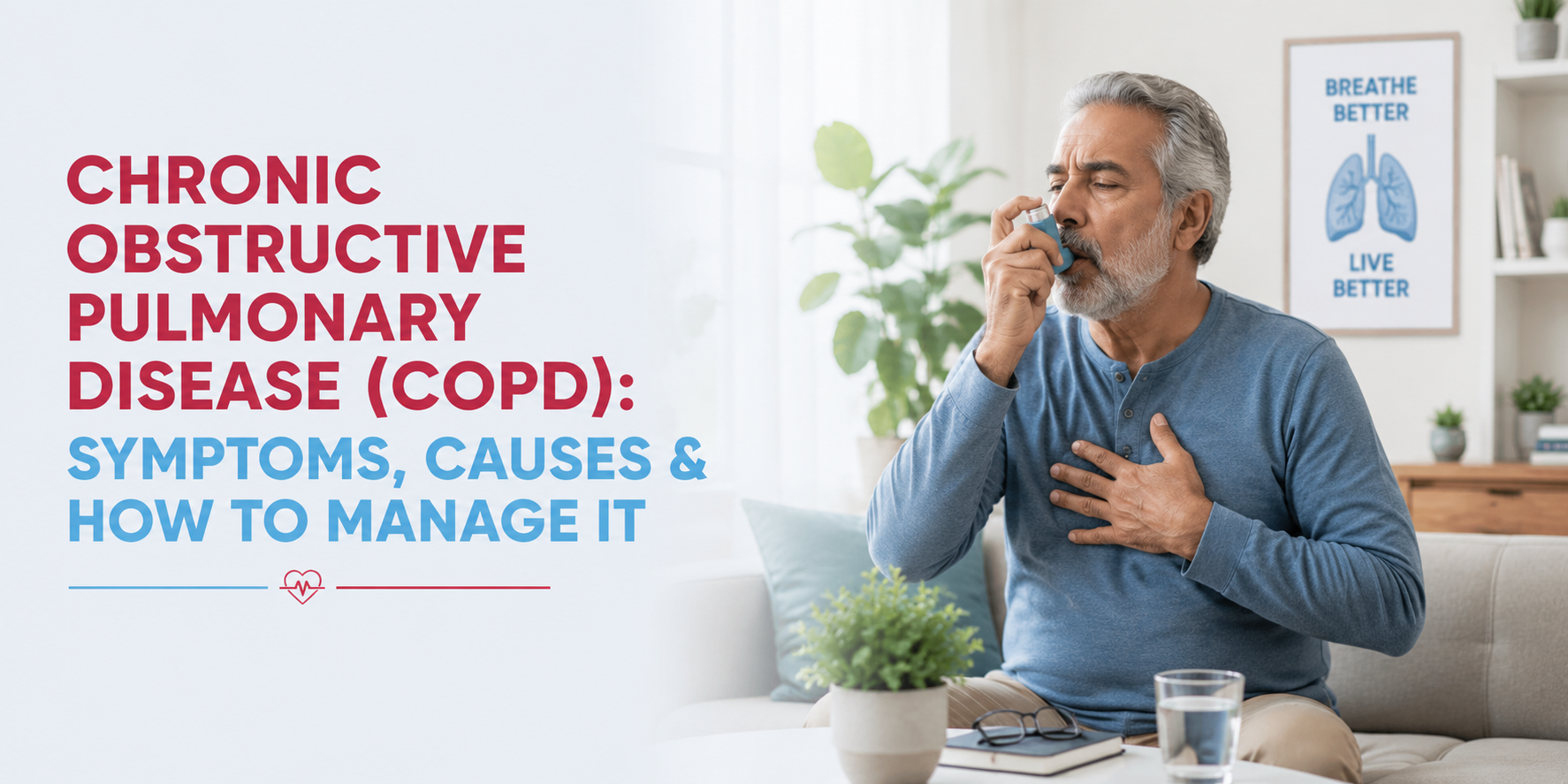
Breathing is something most people overlook until it becomes difficult. Chronic obstructive pulmonary disease (COPD) is a lung condition that gradually makes breathing harder, significantly impacting a person’s quality of life. If you’re curious about COPD, it refers to a group of chronic lung diseases, including emphysema and chronic bronchitis, that block airflow and hinder breathing. At Lakewood Primary Care and Wellness, Dr. Rajan Kohli stresses the importance of early diagnosis and personalized treatment to help patients manage symptoms and keep an active lifestyle.
COPD is a leading cause of illness worldwide. Yet many remain unaware of it until it has progressed. Understanding its causes, symptoms, diagnosis, and treatment options can help individuals take proactive steps toward better lung health.
What Causes COPD? Smoking, Air Pollution, and Other Risk Factors
COPD develops when the lungs and airways are damaged, causing chronic inflammation and restricted airflow. While smoking is the most common cause, other factors might contribute to the development of the condition.
Smoking
Cigarette smoking accounts for most COPD cases. Long-term exposure to tobacco smoke harms the air sacs and airways in the lungs, causing inflammation and reducing lung function. Both current and former smokers, especially those who have smoked for many years, are at risk.
Secondhand Smoke Exposure
People who have never smoked can still develop COPD if they are regularly around secondhand smoke at home, work, or public places.
Air Pollution
Long-term exposure to environmental pollutants, like vehicle exhaust, industrial emissions, and poor indoor air quality, can raise the risk of COPD. People living in urban areas with high pollution levels may face a greater risk.
Occupational Hazards
Workers exposed to dust, chemical fumes, vapors, and other airborne irritants have a higher chance of developing chronic lung diseases. Construction workers, miners, factory employees, and agricultural workers often face increased exposure.
Genetic Factors
A rare inherited condition called Alpha-1 Antitrypsin Deficiency can raise the risk of COPD, even in non-smokers. This genetic disorder affects how well the lungs can protect themselves from damage.
Age and Recurrent Respiratory Infections
The risk of COPD increases with age, especially after 40. Frequent respiratory infections during childhood can also cause long-term lung damage and make individuals more susceptible later in life.
Early Warning Signs and Symptoms of COPD
Recognizing COPD symptoms early can lead to quicker diagnosis and better outcomes. Unfortunately, many symptoms develop slowly and are often mistaken for normal aging or poor fitness.
Persistent Shortness of Breath
One common symptom is difficulty breathing, especially during physical activity. As the disease gets worse, even simple tasks like walking or climbing stairs may become tough.
Chronic Cough
A long-lasting cough that produces mucus is a key sign of COPD. Some people may have a “smoker’s cough” for years before getting diagnosed.
Excess Mucus Production
Those with COPD often produce too much mucus, which can block airways and complicate breathing.
Wheezing
A whistling or squeaking sound while breathing might indicate narrowed airways caused by inflammation and blockage.
Frequent Respiratory Infections
COPD can make individuals more prone to bronchitis, pneumonia, and other respiratory infections.
Fatigue and Reduced Energy
Because the lungs are not delivering oxygen well, many people feel chronic fatigue and have less physical endurance.
Chest Tightness
A feeling of pressure or tightness in the chest can occur due to restricted airflow and lung inflammation.
If you notice any of these symptoms persist, it’s important to consult a healthcare provider like Dr. Rajan Kohli at Lakewood Primary Care and Wellness. They can help identify the underlying cause and recommend appropriate treatment.
How Is COPD Diagnosed and What Are the 4 Stages?
Early diagnosis is crucial since COPD cannot be reversed, but its progression can often be slowed.
Medical History and Physical Examination
Your doctor will review your symptoms, smoking history, occupational exposures, and family history. A physical exam can show signs of respiratory distress or reduced lung function.
Spirometry Testing
Spirometry is the primary test used to diagnose COPD. It measures how much air you can exhale and how fast you can do it.
Imaging Studies
Chest X-rays and CT scans may help find lung damage, emphysema, or other issues affecting breathing.
Blood Tests
In some cases, blood tests may be used to rule out other conditions or uncover genetic causes, like Alpha-1 Antitrypsin Deficiency.
The 4 Stages of COPD
Stage 1: Mild COPD
Symptoms may be mild and often go unnoticed. Lung function shows slight airflow limitation.
Stage 2: Moderate COPD
Shortness of breath becomes more apparent, especially during physical activity. Chronic cough and mucus production may increase.
Stage 3: Severe COPD
Breathing difficulties become more prominent, and flare-ups happen more frequently. Daily activities can become more challenging.
Stage 4: Very Severe COPD
Airflow limitation is severe at this stage, significantly affecting quality of life. Some may require oxygen therapy to maintain adequate oxygen levels.
Understanding the stage of COPD helps doctors create personalized treatment plans that meet each patient’s needs.
COPD Treatment Options: Inhalers, Pulmonary Rehab, and Slowing Progression
While there is no cure for COPD, several treatment methods can improve symptoms, enhance quality of life, and slow disease progression.
Smoking Cessation
For smokers, quitting is the most effective way to prevent further lung damage. Quitting can significantly slow the progression of COPD.
Inhaler Medications
Bronchodilators and inhaled corticosteroids help open the airways, reduce inflammation, and improve breathing. Many patients depend on inhalers for their daily treatment.
Pulmonary Rehabilitation
Pulmonary rehabilitation combines exercise training, breathing techniques, nutritional counseling, and education to help patients manage symptoms better.
Oxygen Therapy
Patients with advanced COPD and low oxygen levels might benefit from supplemental oxygen therapy to improve daily functioning and overall well-being.
Vaccinations
Flu, pneumonia, and respiratory infections can worsen COPD symptoms. Staying up to date with recommended vaccinations helps reduce complications.
Healthy Lifestyle Changes
Regular exercise, a balanced diet, staying hydrated, and managing stress support lung health and improve overall quality of life.
Managing Flare-Ups
COPD flare-ups can be serious. Recognizing warning signs, like a worsening cough, increased mucus, or greater shortness of breath, allows for quick medical intervention.
At Lakewood Primary Care and Wellness, Dr. Rajan Kohli collaborates with patients to develop tailored COPD management plans that merge evidence-based medicine with preventive and wellness strategies.
Final Thoughts
Understanding chronic obstructive pulmonary disease is the first step to protecting your lung health. COPD is progressive, but with early diagnosis, the right treatment, and lifestyle changes, many people can continue to lead active, fulfilling lives. By recognizing COPD symptoms early, avoiding risk factors, and seeking timely medical care, you can significantly impact long-term outcomes.
If you have persistent respiratory symptoms or concerns about your lung health, the team at Lakewood Primary Care and Wellness can guide you through diagnosis, treatment, and long-term management. With personalized care from Dr. Rajan Kohli, patients can take proactive steps toward better breathing and overall wellness.