
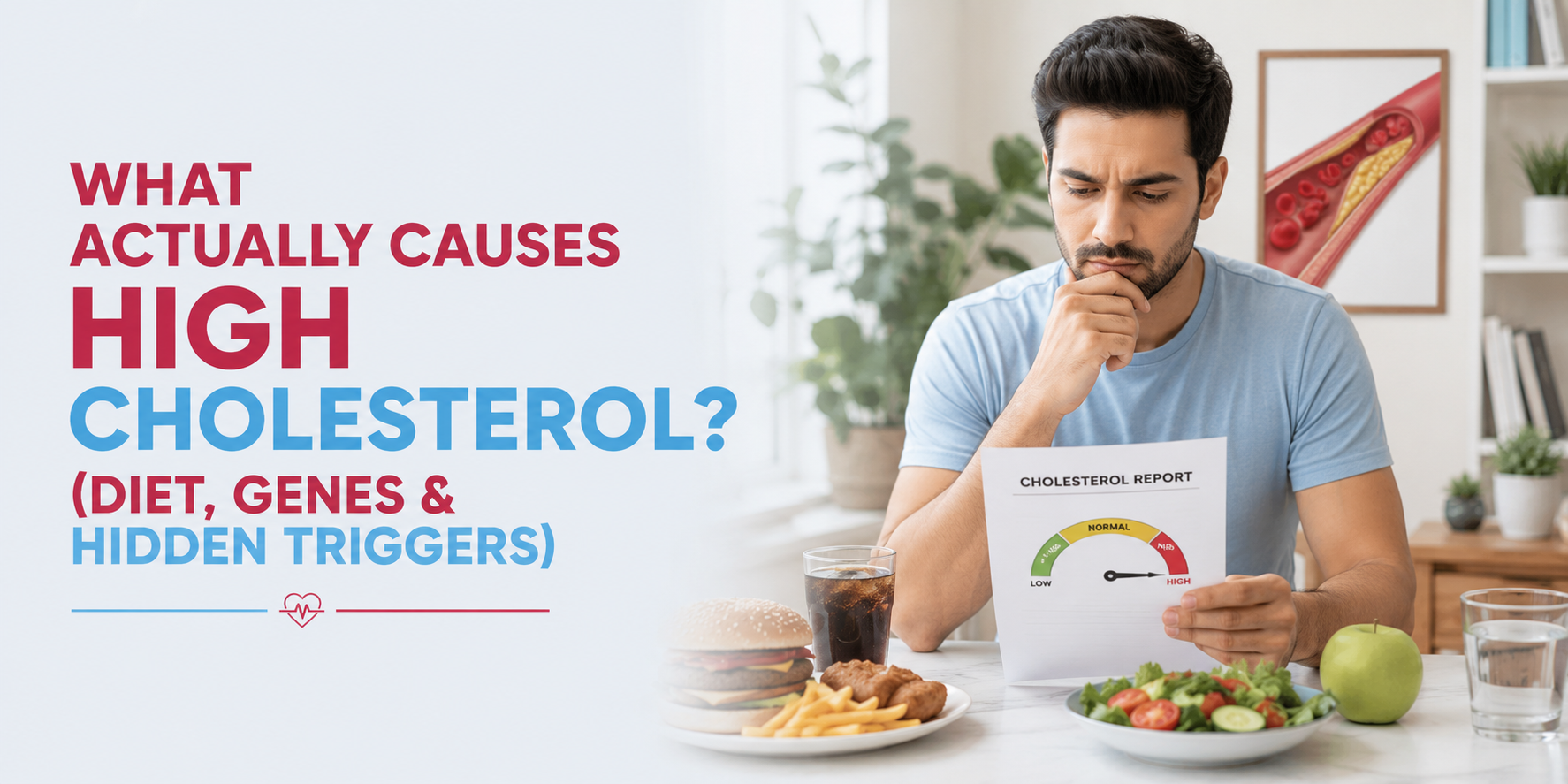
High cholesterol is a common health issue for adults today. Many people are unsure about the causes of high cholesterol and how much it relates to diet. While poor eating habits can contribute to high cholesterol levels, other factors such as genetics, medical conditions, lifestyle choices, and age also play important roles.
At Lakewood Primary Care and Wellness, Dr. Rajan Kohli helps patients understand the underlying causes of high cholesterol. He then works with them to create personalized strategies for improving heart health. Identifying the contributing causes is the first step in preventing serious complications like heart disease, stroke, and vascular problems.
Understanding Cholesterol and Why It Matters
Cholesterol is a waxy substance found in every cell of the body. The body needs cholesterol to build healthy cells, produce hormones, and make vitamin D. However, too much cholesterol in the bloodstream can lead to plaque buildup in the arteries, raising the risk of heart disease.
Cholesterol comes from two main sources:
- The liver produces cholesterol naturally.
- Foods from animal products and processed ingredients.
While cholesterol is necessary for health, it’s important to keep levels balanced.
What Causes High Cholesterol?
Many people think diet is the only cause, but it’s more complicated.
Poor Dietary Habits
One major reason for high cholesterol is eating too much saturated fat and trans fat. These unhealthy fats can raise LDL cholesterol levels and harm heart health.
Foods that often lead to high cholesterol include:
- Fried foods
- Fast food meals
- Processed snacks
- Store-bought baked goods
- Fatty cuts of red meat
- Full-fat dairy products
- Processed meats like bacon and sausage
While dietary cholesterol may not affect everyone the same way, diets high in saturated and trans fats are closely linked to unhealthy cholesterol levels.
Genetics and Family History
Not everyone has high cholesterol just because of what they eat. Some people inherit genetic conditions that affect how their bodies handle cholesterol.
Familial hypercholesterolemia (FH) is a genetic disorder that causes very high LDL cholesterol levels even in healthy individuals. If parents or close relatives have a history of high cholesterol or early heart disease, genetics could be a factor.
Lack of Physical Activity
Regular exercise increases healthy HDL cholesterol while lowering harmful LDL cholesterol and triglycerides. A sedentary lifestyle can significantly raise cholesterol levels and cardiovascular risk.
Excess Weight and Obesity
Carrying extra weight can hinder the body’s ability to manage cholesterol. Obesity is often linked to higher LDL cholesterol, lower HDL cholesterol, and increased triglyceride levels.
Smoking and Alcohol Consumption
Smoking harms blood vessels and reduces beneficial HDL cholesterol. Drinking too much alcohol can raise triglyceride levels and lead to weight gain, indirectly affecting cholesterol management.
Certain Medical Conditions
Several health issues can impact cholesterol levels, including:
- Type 2 diabetes
- Hypothyroidism
- Kidney disease
- Liver disease
- Metabolic syndrome
These conditions can lead to high LDL cholesterol, even if the diet seems healthy.
LDL vs. HDL Cholesterol — Which One Is Dangerous and Why?
Not all cholesterol behaves the same way. Knowing the difference between LDL and HDL cholesterol is key for managing heart health.
LDL Cholesterol (Low-Density Lipoprotein)
LDL is known as “bad cholesterol.” High LDL levels contribute to plaque formation in the arteries. Over time, these deposits can narrow blood vessels and raise the risk of:
- Heart attacks
- Stroke
- Peripheral artery disease
- Coronary artery disease
When people wonder what causes high LDL cholesterol, common culprits include unhealthy diets, obesity, genetics, smoking, and certain health issues.
HDL Cholesterol (High-Density Lipoprotein)
HDL is known as “good cholesterol.” It helps remove excess cholesterol from the bloodstream, sending it back to the liver for processing and removal.
Higher HDL levels usually mean better protection for the heart.
The biggest concern happens when LDL levels are high and HDL levels are low, increasing the risk of cardiovascular disease.
Surprising Risk Factors for High Cholesterol You Might Be Ignoring
While diet and exercise often get the spotlight, several lesser-known factors may also raise cholesterol levels.
Chronic Stress
Long-term stress can lead to hormonal changes that negatively impact cholesterol levels. Stress can also trigger unhealthy habits like overeating and a lack of physical activity. Know more about chronic conditions.
Poor Sleep Quality
Research shows a link between poor sleep and metabolic issues. Inadequate sleep may raise cholesterol levels and heighten cardiovascular risks.
Certain Medications
Some medications can alter cholesterol levels, including:
- Steroids
- Some blood pressure medications
- Some antidepressants
- Immunosuppressive drugs
Patients should always discuss any medication concerns with their healthcare provider.
Menopause and Hormonal Changes
Women may see an uptick in LDL cholesterol after menopause due to lower estrogen levels. Hormonal changes can significantly impact cholesterol metabolism. Know more about bioidentical hormone therapy.
Age
As people age, their bodies become less effective at removing excess cholesterol. Cholesterol levels tend to rise naturally over time, making regular monitoring increasingly important.
At Lakewood Primary Care and Wellness, Dr. Rajan Kohli stresses the importance of considering factors beyond diet when assessing cholesterol and cardiovascular health.
How Do You Know If You Have High Cholesterol? (Signs & When to Get Tested)
One of the challenges with high cholesterol is that it usually has no clear symptoms.
Many individuals may feel completely healthy despite having dangerously high cholesterol levels for years. This is why high cholesterol is often labelled a “silent condition.”
Common Warning Signs
Typically, there are no noticeable symptoms until complications arise, such as:
- Chest pain
- Heart attack
- Stroke
- Circulatory issues
Since symptoms often show up too late, routine screenings are the best way to catch high cholesterol early.
When Should You Get Tested?
Most adults should get their cholesterol checked regularly, especially if they have risk factors like:
- Family history of heart disease
- Diabetes
- High blood pressure
- Obesity
- Smoking history
Your healthcare provider can suggest the right testing schedule based on your individual risk. Know more about annual health check-up
How to Lower High Cholesterol — What Actually Works
The good news is that high cholesterol can often be managed effectively through lifestyle changes and medication if needed.
Improve Your Diet
Focus on:
- Fruits and vegetables
- Whole grains
- Lean proteins
- Fatty fish rich in omega-3 fatty acids
- Nuts and seeds
- Legumes
Cutting down on foods high in saturated and trans fats can lead to better cholesterol levels.
Exercise Regularly
Aim for at least 150 minutes of moderate aerobic exercise each week. Physical activity enhances HDL cholesterol and supports healthy weight management.
Maintain a Healthy Weight
Even a small weight loss can positively impact cholesterol levels and lower cardiovascular risks.
Know more about weight loss programs.
Quit Smoking
Stopping smoking can increase HDL cholesterol and improve overall heart health.
Manage Underlying Medical Conditions
Proper treatment for diabetes, thyroid disorders, and metabolic issues can help regulate cholesterol.
Take Medications When Necessary
Some people may need cholesterol-lowering medications like statins. These can be very effective when lifestyle changes alone aren’t enough.
At Lakewood Primary Care and Wellness, Dr. Rajan Kohli collaborates with patients to create tailored treatment plans for managing cholesterol and achieving long-term health goals.
Final Thoughts
Understanding what causes high cholesterol goes beyond looking at diet alone. Genetics, lifestyle, medical conditions, stress, age, and hormonal changes can all raise cholesterol levels. While many ask about foods that cause high cholesterol or what raises LDL cholesterol, the truth is that multiple factors often work together.
To protect your heart, focus on early detection, regular monitoring, and making science-backed lifestyle changes. With the right support and care, you can effectively manage high cholesterol, reducing the risk of serious heart issues and promoting a healthier future.