
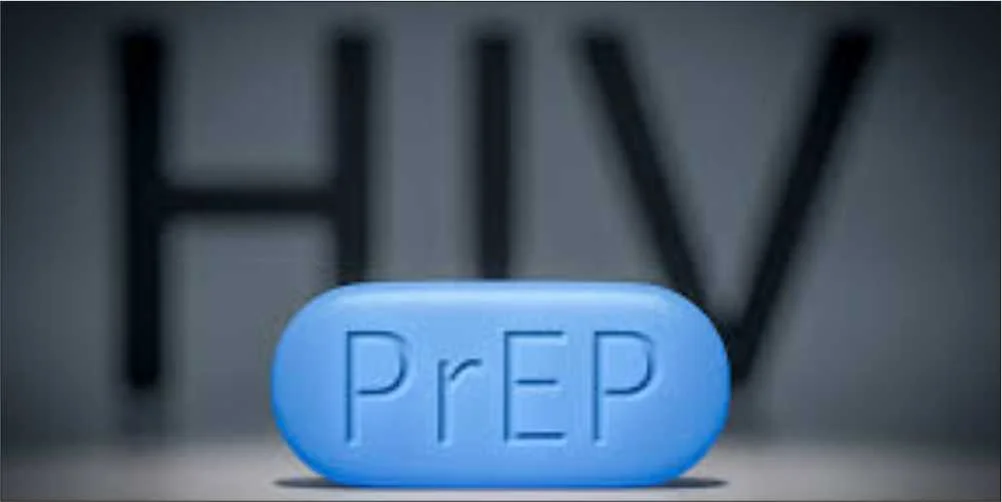
Despite advancements in medicine and public awareness, HIV (Human Immunodeficiency Virus) remains a significant public health concern. The fight against HIV has shifted dramatically from managing illness to actively preventing transmission.
One of the most effective tools in this preventive arsenal is PrEP or Pre-Exposure Prophylaxis. It’s a proactive strategy for individuals at high risk of HIV exposure, providing a reliable layer of protection when used consistently.
If you are clueless about HIV pre-exposure prophylaxis in Dallas, how it works and who should consider it, this detailed guide from Lakewood Primary Care and Wellness will explore all the details.
What is HIV PrEP?
Pre-Exposure Prophylaxis (PrEP) is a daily medication regimen for individuals who do not have HIV but are at high risk of contracting the virus.
According to the Centers for Disease Control and Prevention (CDC), it has been proven that PrEP reduces the risk of HIV infection from sexual contact by up to 99% and from injection drug use by at least 74%.
At present, PrEP is available in two FDA-approved oral formulations:
- Truvada®: Contains tenofovir disoproxil fumarate and emtricitabine.
- Descovy®: Contains tenofovir alafenamide and emtricitabine.
Furthermore, it is also available in an injectable form as Apretude®, which needs to be administered every two months.
How Does PrEP Work?
Now, if this is your first exposure to the concept of PrEP, it is quite common to be confused about the science behind it and how it helps prevent and minimize the risks of HIV.
To understand the mechanism of PrEP, we first need to understand how HIV infects.
HIV or Human immunodeficiency virus targets the immune system by attacking CD4 cells (T-helper cells), which are crucial in fighting off infections. Once the virus establishes itself inside the host’s body, it replicates rapidly, eventually weakening the immune system and leading to AIDS if untreated.
PrEP blocks HIV at the point of entry. Here’s how:
- HIV needs to replicate to establish an infection.
- PrEP medications contain compounds that inhibit reverse transcriptase, an enzyme HIV uses to replicate its RNA into DNA.
- By interfering with this process, PrEP prevents the virus from establishing itself in the body even if exposure occurs.
When taken daily, the drug levels remain high enough in the bloodstream and genital or rectal tissues to stop HIV from taking hold and spreading.
Should You Consider PrEP?
Now that you know how PrEP works and the science behind its effectiveness, the next thing to discuss is whether or not you should be considering it.
The most important thing about PrEP that you need to understand is that it is not for everyone. Instead, it is especially important for individuals who are HIV-negative but are at ongoing or high risk of acquiring HIV.
Here are the groups who should seriously consider PrEP:
- Men who have sex with men (MSM) without consistent condom use.
- Even heterosexual men and women who have partners that are HIV positive.
- Individuals who have multiple sexual partners, especially in communities with high HIV prevalence.
- Sex workers or people who exchange sex for money, drugs, or shelter are at a heightened risk and may benefit from PrEP.
- People who inject drugs and share needles or other equipment have a significantly higher risk of HIV transmission and are eligible for PrEP.
If you have been diagnosed with sexually transmitted infections (STIs) recently like syphilis, gonorrhea, or chlamydia, you might be at a heightened risk of HIV and PrEP can be a great preventative measure.
Individuals who have recently experienced sexual assault, especially where condom use was not involved, may be offered PrEP as part of post-assault care.
Whether or not you’d benefit from being on the PrEP regimen will be best decided by our healthcare provider, which our doctors at Lakewood Primary Care and Wellness prioritize. With empathy and no judgement, we ensure that you have a safe space to be vulnerable, discuss your issues and get a rundown of how PrEP could be a preventative measure against HIV for you.
Is PrEP and PEP Same?
PrEP and PEP (Post-Exposure Prophylaxis) are not the same treatment protocol, which is why knowing the major difference between the two is significant for battling HIV the right way.
- PrEP is taken before exposure to HIV and is used long-term.
- PEP is taken after a possible exposure (within 72 hours) and used for only 28 days.
However, one thing you need to know is that both of them are effective in their own context and can be a great way to prevent HIV contraction. So, being prompt and discussing your best option with our doctors at Lakewood Primary Care and Wellness can be life altering, literally.
Are There Side-Effects of PrEP?
PrEP usually doesn’t come to much risks or side-effects and even if there are any, they are usually temporary and will resolve on its own.
Some of the minor side-effects that you might experience are:
- Nausea
- Headaches
- Fatigue
- Mild gastrointestinal discomfort
In most cases, if you are experiencing any of these side-effects, they will diminish within a few days or a week. However, in some cases, there are studies that indicate that long-term use of PrEP might impact kidney function or bone density, which explains why our doctors emphasize on the importance of regular monitoring.
Choose PrEP and Protect Yourself with Lakewood Primary Care and Wellness
HIV PrEP is a revolutionary leap in HIV prevention. It is safe, effective, and empowering. But like any health decision, it’s most powerful when understood and used responsibly.
If you believe PrEP might be right for you, don’t wait. Your health and future are worth protecting. Our doctors at Lakewood Primary Care and Wellness are here to guide you through every step — from understanding your risk to starting a regimen that fits your life.
Contact us today at 214-810-4331 to schedule an appointment or to learn more about PrEP and our STD treatment protocols.