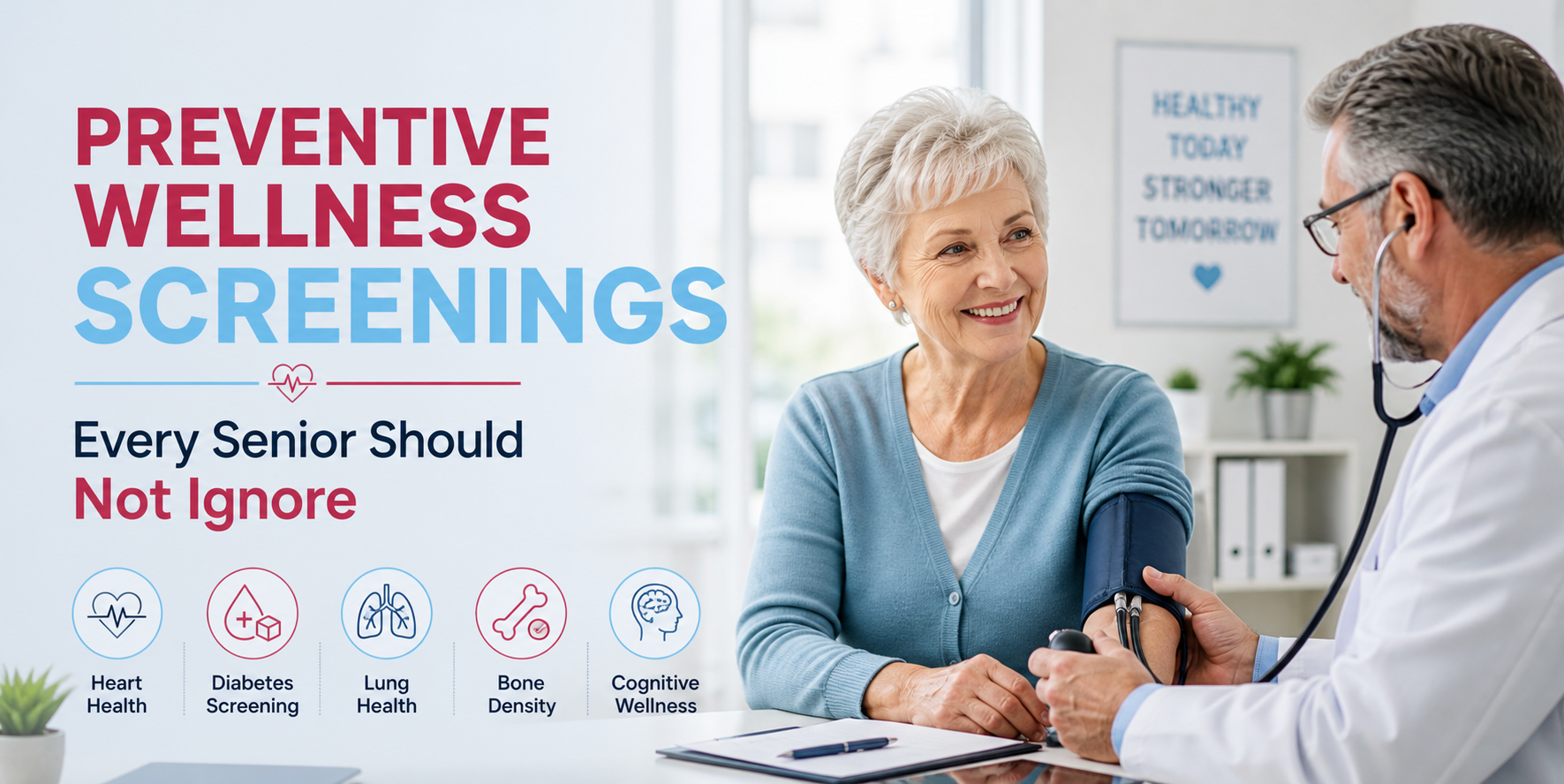
Staying on top of senior wellness screenings in Dallas is one of the most powerful ways to catch health problems early and stay independent longer. There’s no doubt that age brings wisdom, experience and perspective. However, with it, it also brings a higher risk of chronic illnesses, mobility challenges and cognitive changes. And did you know the simple difference between simply aging and aging well is one factor: proactive (and preventive) healthcare?
More than simple routine check-ups, preventive wellness screenings help identify health risks earlier before they turn into serious complications. For seniors, these screenings can mean the difference between early intervention and late-stage treatment.
“Preventive care is not an afterthought,” is what our experts at Lakewood Primary Care and Wellness suggest, and we will explore why in this guide.
Why Do Preventive Screenings Matter More with Age?
As our body ages, internal physiological changes make the body more susceptible to chronic diseases, like heart disease, diabetes, osteoporosis and cognitive decline as well. What’s interesting to learn is that a lot of these conditions develop silently, not showing any “visible” signs in their early stages.
So, getting preventive wellness screenings helps in: Detecting diseases early, often before symptoms appear Reducing the need for invasive treatments later Improving treatment outcomes and recovery rates Supporting longer, healthier, and more independent living
Even ongoing studies and research indicate how early detection is key to not only improve health outcomes but also reduce healthcare costs over time.
Annual Health Screenings
When talking about preventive health screening, the most basic yet the most comprehensive choice is getting an annual health screening. This is the “starting point” to every preventive healthcare.
It provides a clear picture of the senior’s overall health, pointing out complications, if any. Usually, an annual health screening comprises: Vital signs such as blood pressure and heart rate Weight, BMI, and nutritional status Respiratory and cardiovascular health Medication use and potential interactions
Based on the reports of these initial tests, it also helps doctors make adjustments to the patient’s lifestyle habits and mental health and also tackle any emerging symptoms.
Cardiovascular Screenings
The importance of cardiovascular screenings for seniors is non-negotiable. According to reports, heart disease remains the most common cause of death in older adults. And, 9 out of 10 times, these complications occur because of lack of ongoing screening and monitoring.
Some of the key inclusions under cardiovascular screenings are: Blood pressure monitoring Cholesterol level testing Electrocardiograms (ECG), and ECHO when necessary
One of the leading “silent killers” is high blood pressure or hypertension. Since it rarely shows any “visible” symptoms, we often don’t even realize we have it until it causes a severe complication. Getting regular monitoring allows for timely intervention, either through medication or lifestyle changes.
Another issue that is quite common with age is the risk of atherosclerosis, aka fat buildup in the blood vessels. Getting cholesterol screenings help with detecting such plaque building risks, thereby reducing the risks of heart attacks and strokes.
Diabetes Screening
Much like cardiovascular screening, even diabetes screening in older adults is a must. The prevalence of Type-2 diabetes in seniors is growing exponentially, primarily due to our lifestyle and the stress we are dealing with.
And, the worst part of this whole situation is that for a lot of older adults, diabetes remain undiagnosed for years, until it has already caused a significant amount of damage to the body.
Getting a routine diabetes screening includes: Fasting blood sugar Post-prandial blood sugar HbA1C screening Insulin panel, etc.
If an older member in your family has uncontrolled diabetes, it can often lead to a variety of common health challenges like nerve damage, kidney disease, vision problems, and cardiovascular issues. Hence, getting timely screenings reduce such risks by enabling early treatment.
Cancer Screenings
Although we are often afraid of the “C-word,” getting cancer screenings should be a mandatory need for every senior. With age, the cancer markers in our body increases, which explains why cancer screening becomes a necessity.
The following are the common cancer screenings: Colonoscopy for colorectal cancer Mammograms for breast cancer Prostate exams for men Lung cancer screening for high-risk individuals
The main objective behind these screenings is early detection of the cancer when it is in a more treatable stage. A lot of the time, early diagnosis and treatment improves the prognosis significantly.
Bone Density Tests
If there’s one thing that “defines” aging, it is the weakness in our bones. This explains the need for bone density screening for older adults.
Osteoporosis, a condition that causes weakening of the bones, is a lot more common in seniors (especially women) than we realize.
A bone density screening helps assess: Bone strength Risk of fractures Need for supplements or medication
Falls and fractures are not only painful but they also impact a senior’s independence and mobility. So, getting timely bone density screening allows for early interventions including calcium and vitamin D supplementation, lifestyle adjustments, and targeted treatments.
Cognitive and Mental Health Screenings
When it comes to seniors in the family, our focus is often limited to their physical well-being. We don’t realize how crucial it is to prioritize their mental wellness and cognitive function.
One of the most concerning aspects of aging is cognitive decline, which include forgetfulness, memory complications, poor attention and problem-solving skills and even behavioral changes.
So, when it comes to early detection of mental health and cognitive function in adults, it checks for risks of Alzheimer’s disease, dementia, etc. Also, depression and anxiety are common among seniors, often triggered by isolation, loss, or declining health. That explains the need for comprehensive mental health screening as well.
Vision and Hearing Tests
To help the older adults in your family maintain independence and mobility, getting vision and hearing tests as part of their preventive wellness screening is a must too.
These routine screenings can detect: Cataracts Glaucoma Age-related macular degeneration Hearing impairment
When vision or hearing complications are left undetected and untreated, it significantly increases the risks of falls, social isolation, and cognitive decline. And, all of these can be corrected using simple treatment solutions like corrective lenses or hearing aids.
Vaccinations
Preventing wellness screenings aren’t limited to “tests” only. Instead, it also comprises vaccinations, which play a vital role in protecting the seniors from severe infections and other diseases.
Some of the important immunizations that you should prioritize for your senior member in the family are: Influenza (flu) vaccine Pneumonia vaccine Shingles vaccine
With age, seniors become more and more vulnerable to infections. Hence, preventive immunization is a great way to reduce those complications, hospitalizations and even potential long-term health issues.
How Often Should Seniors Get Screened?
Now that you have a detailed rundown of the different components that comprise preventive wellness screenings, we need to understand “how many times of the year” one should get them.
The frequency of screenings depends on individual health status, age, and risk factors. However, general guidelines include: Annual physical exams: once a year Blood pressure: at least annually, more often if elevated Cholesterol: every 4–6 years or as advised Diabetes screening: every 1–3 years Cancer screenings: based on age and risk factors Bone density tests: typically every 1–2 years for at-risk individuals
The key to getting these tests is getting them consistently to keep track of your health and track the results over time. This ensures that even the slightest issue to the reports can help you get an early diagnosis of any complication that could be occurring in your body.
Prioritize Prevention, Protect Your Future!
The transition into the senior years should be a period of fulfillment and continued engagement, not a steady decline in health. Preventive wellness screenings are the most effective way to ensure that “golden years” remain vibrant.
Do not wait for symptoms to appear before seeking medical insight. Proactive health management is an investment in your future self.
Schedule a consultation with Lakewood Primary Care and Wellness today for a comprehensive annual wellness exam, specialized geriatric support, or targeted screenings.