
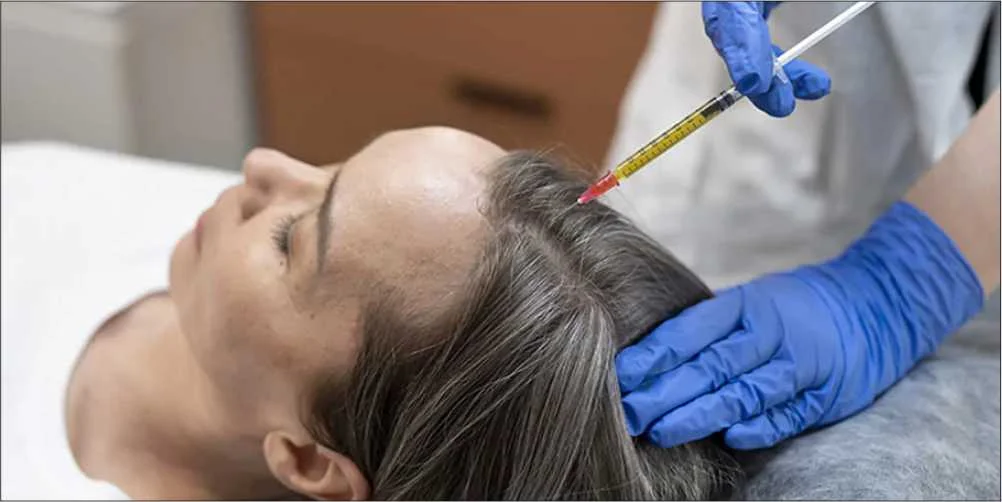
Modern medicine has introduced numerous breakthroughs and one such is the PRP or Platelet-rich Plasma Therapy. The use of this treatment extends across the fields of dermatology, orthopedics, and aesthetic medicine, citing its versatility.
If you have recently come across this treatment either from celebrities, athletes or from your doctor, wondering what PRP therapy in Dallas exactly is, isn’t farfetched.
This guide from Lakewood Primary Care and Wellness will resolve any question that you might have about PRP therapy before you consider undergoing it.
What Exactly is PRP Therapy?
As we just mentioned, PRP stands for platelet-rich plasma therapy wherein we use the body’s own natural healing properties to:
- Repair damaged tissues
- Stimulate collagen production
- Promote faster recovery
There are four primary components in our blood – red blood cells, white blood cells, plasma, and platelets. It is the platelets that shine through in this treatment, owing to the growth factors in them, which play a critical role in healing injuries and regenerating tissues.
What is the Science Behind PRP Therapy?
The objective behind PRP therapy is rooted in regenerative medicine. The platelets, which form the main component in this treatment, consists of:
- Platelet-derived growth factors
- Transforming growth factors
- Vascular endothelial growth factor
- Insulin-like growth factor
These growth factors cumulatively perform a lot of functions and benefits including cell replication, tissue regeneration, controls inflammation, encourages formation of new blood vessels, supports cell growth and development.
Should You Undergo PRP Therapy?
PRP therapy, on average, is a safe procedure, primarily because this minimally invasive treatment uses your body’s own healing properties.
That said, there are certain limitations to the treatment too. So, before you even consider undergoing the treatment, determining whether or not you are an ideal candidate for the procedure is crucial.
PRP Therapy in Dallas may be right for you if:
- You are in generally good health.
- You have mild to moderate skin aging or hair loss.
- You suffer from chronic tendon injuries, joint pain, or sports injuries.
- You prefer natural, non-surgical solutions.
However, if you have blood or platelet disorders, are on anticoagulant therapy or have active infections, then undergoing PRP therapy might not be right for you.
What are the Common Applications of PRP Therapy?
Now that you have a basic understanding of what PRP therapy is, the follow-up question is, “Where is it used? What are its applications?”
We have mentioned previously that the use of PRP therapy isn’t limited to aesthetic medicine only. In fact, it has equally beneficial outcomes in medical needs of patients too.
1. Healing orthopedic injuries
The reason why PRP therapy is so popular among athletes is because of its effectiveness in healing different kinds of sports injuries, tendonitis, ligament tears, etc.
You’d benefit from PRP therapy in Dallas if you are suffering from one of these following:
- Tennis elbow
- Rotator cuff injuries
- Knee osteoarthritis
- Achilles tendonitis
If done right and quickly, right after the injury is sustained, there are reports where PRP therapy might eliminate the need for surgeries in some cases.
2. Helps with Hair restoration
In aesthetic medicine, the use of PRP therapy is quite prevalent in hair restoration. So, if you are suffering from complications like hair thinning and androgenic alopecia (pattern baldness), the growth factors in PRP can rejuvenate the hair follicles, promote hair regrowth and prevent further hair fall and hair thinning.
3. Promotes facial rejuvenation
Through PRP facial, also known as the “vampire facial,” you can rejuvenate your skin and improve the skin texture and tone.
Not just that, the treatment has equally beneficial impacts in reducing aging signs like fine lines and wrinkles and healing acne scars. With the growth factors, it also stimulates collagen production, leaving your skin elastic and more supple.
Beyond these, PRP therapy is also used in post-surgical healing, particularly in orthopedics and dentistry. Since the treatment supports tissue regeneration, it reduces the downtime and quickens recovery in the patient.
What to Expect During a PRP Therapy?
Owing to the extensive benefits of the treatment, many patients are interested in undergoing the procedure. At Lakewood Primary Care and Wellness, following is a breakdown of the steps involved in the treatment:
1. You get a consultation
Whether or not you are an ideal candidate for the procedure is crucial to determine before considering the treatment. This is done during the initial consultation you have with one of our specialists at the clinic. During the consultation, we will assess your medical history, understand why you wish to undergo the treatment and then determine your candidature.
2. You will undergo the PRP procedure
The actual PRP treatment is a three-step process – blood draw, centrifuge and injection. Usually, around 15-30 ml of your blood is drawn from your arm. It is similar to how you’d give blood for a test or donation.
Following that, the collected blood sample is then processed in a centrifuge where the platelet-rich plasma is isolated from the remaining blood components.
Lastly, the concentrated PRP is injected into the targeted area using fine needles by the specialist and you are all set.
3. You will get post-procedure care instructions
After the PRP treatment is over, our specialist will give you a thorough rundown of the instructions you need to follow to ensure healing. You’d be asked to avoid strenuous activities for a short period and follow the recommended skincare and rehabilitation plan.
How Many Sessions of PRP Therapy in Dallas Does One Need?
The required number of sessions of PRP usually depend on the intent of the treatment. Since PRP has multiple applications, the total sessions and the frequency of these sessions depend on what we are healing.
| Type of Injuries Treated | Number of Sessions | Frequency of the Sessions |
| Hair restoration | 3-6 sessions | 4-6 weeks apart |
| Joint pain | 1-3 sessions | As prescribed by the doctor |
| Facial rejuvenation | 2-3 sessions | 4 weeks apart |
At Lakewood Primary Care and Wellness, every aspect of the PRP therapy, the number of sessions, frequency, cost involved, etc., will be discussed with you ahead of the treatment.
What Does Recovery Look Like After PRP Therapy?
The recovery timeline after PRP treatment isn’t as complicated as many make it out to be. In fact, with the right recovery protocol, you can get back to your normal routine in a few days.
| Days after PRP Therapy | What to Expect? |
| Day 1-2 | Mild soreness and swelling at the injection site. |
| Day 3-7 | Gradual reduction of swelling; start to notice initial improvement. |
| Week 2-4 | Tissue regeneration begins. |
| Month 2-3 | Noticeable improvement in skin texture, hair growth, or pain reduction. |
| After Month 3 | Optimal results are typically visible. |
Depending on the treatment, our specialists will further recommend maintenance sessions every 6-12 months after the initial sessions are done.
PRP Therapy in Dallas: The Lakewood Primary Care and Wellness Difference
PRP Therapy offers a natural, minimally invasive path to healing, rejuvenation, and recovery. Whether you’re struggling with chronic joint pain, hair thinning, or signs of aging, PRP Therapy can unlock your body’s innate healing power.
If you’re considering PRP Therapy and want to learn whether it’s the right option for you, schedule a consultation with Lakewood Primary Care and Wellness today.
Call us on 214-810-4331 to book your consultation or book it online.