

Perimenopause and menopause can turn familiar routines upside down — sleep disappears, hot flashes arrive without warning, and your body seems to change overnight. Bioidentical hormone replacement therapy (BHRT) is one of the most discussed options for managing these changes. This guide explains what BHRT is, how it’s evaluated, the treatment options, and what to expect from physician-supervised care in Dallas.
This article is educational and not a substitute for a medical evaluation. Whether hormone therapy is right for you is a decision made with a physician based on your health history and labs.
Understanding Menopause and Perimenopause
Menopause is the point twelve months after a woman’s last period; perimenopause is the transition leading up to it, often starting in the 40s. During this time, estrogen and progesterone fluctuate and decline, which drives most of the symptoms women experience. This is a natural stage of life — but “natural” doesn’t mean you have to suffer through it without help.
Common Symptoms
- Hot flashes and night sweats
- Sleep disruption and insomnia
- Mood changes, anxiety, and irritability
- Brain fog and memory lapses
- Vaginal dryness and discomfort
- Weight gain, particularly around the abdomen
- Fatigue and low libido
What Is Bioidentical Hormone Replacement Therapy?
“Bioidentical” refers to hormones that are structurally identical to the ones your body produces — most commonly estradiol and progesterone. BHRT aims to replenish hormones that have declined, easing symptoms and supporting quality of life. Bioidentical hormones are available both as FDA-approved products and as compounded preparations; a physician can explain the difference and which is appropriate for you, since they are not interchangeable in terms of regulation and evidence.

How BHRT Is Evaluated
Good hormone care starts with a full picture: a symptom history, personal and family medical history, and lab work that may include estradiol, FSH, progesterone, thyroid markers, and other panels your history warrants. Your physician weighs benefits and risks based on your age, time since menopause, and health background — because hormone therapy is highly individual.
Treatment Options
BHRT can be delivered several ways, and the right route depends on your symptoms, preferences, and medical history:
- Estradiol — available as patches, gels, or oral forms to address hot flashes, sleep, and other systemic symptoms.
- Progesterone — used alongside estrogen for women who still have a uterus, to protect the uterine lining.
- Hormone pellets — bioidentical hormones placed under the skin for steady, low-maintenance dosing over several months.
- Vaginal estrogen — a low-dose, localized option for dryness and discomfort.
Benefits and Considerations
For many women, hormone therapy meaningfully reduces hot flashes, improves sleep and mood, and supports bone and vaginal health. Like any medical therapy, it carries considerations that depend on your individual risk profile, which is why physician evaluation and ongoing monitoring matter. Current guidance from major medical organizations supports individualized hormone therapy for appropriate candidates — the key word being individualized.
Why Choose Physician-Led Hormone Care in Dallas
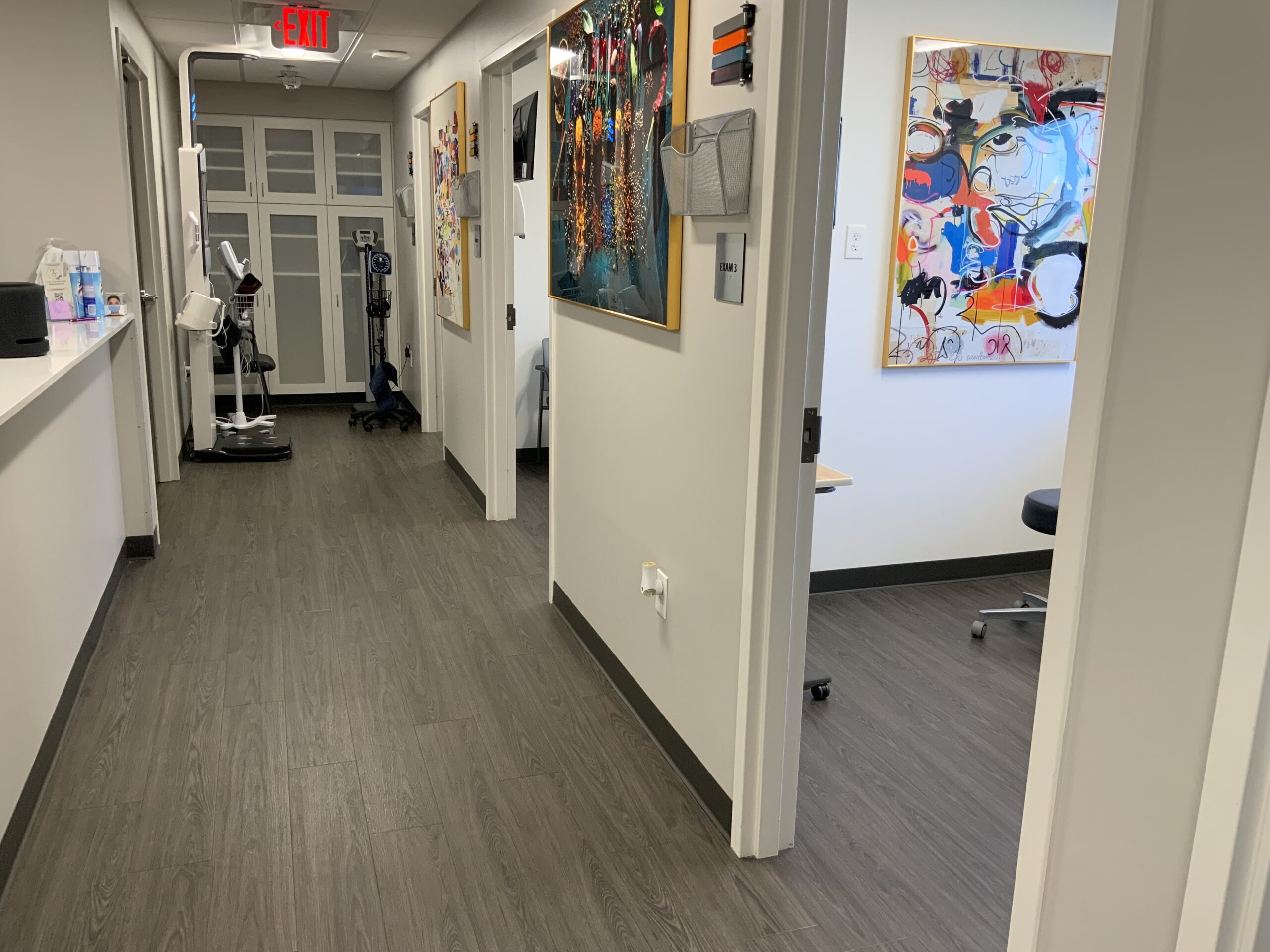
At Lakewood Primary Care and Wellness, women’s hormone care is led by a board-certified MD with advanced age-management training (A4M fellowship), on the Texas Health Presbyterian campus with labs and imaging in the same building. You get a real evaluation, a plan tailored to your body and stage of life, and monitoring that keeps your care safe over time — not a rubber-stamp protocol.
Frequently Asked Questions
Is bioidentical hormone therapy safe?
For appropriately selected women under physician monitoring, hormone therapy is a well-established option. Your individual risks and benefits are assessed based on your history and age.
What’s the difference between bioidentical and traditional HRT?
Bioidentical hormones are structurally identical to those your body makes. Your physician can explain FDA-approved versus compounded options and which fits your situation.
How are hormone pellets different from other options?
Pellets provide steady, low-maintenance dosing over several months, versus daily gels or patches. Which is best depends on your preferences and labs.
When should I consider getting evaluated?
If menopause symptoms are affecting your sleep, mood, work, or quality of life, an evaluation is worthwhile — you don’t have to wait until they’re severe.
Take the Next Step
You don’t have to push through menopause alone. Book a women’s hormone consultation with a board-certified physician in Dallas.
