

If you’ve been dragging through your days — exhausted, foggy, watching your strength and motivation slip — low testosterone may be part of the story. Testosterone replacement therapy, or TRT, is one of the most searched and most misunderstood topics in men’s health. This guide explains what low testosterone actually is, how it’s diagnosed, and what physician-supervised TRT in Dallas involves.
This article is educational and not a substitute for a medical evaluation. Whether TRT is appropriate is a decision made with a physician based on your labs and health history.
What Is Low Testosterone?
Testosterone is the primary male sex hormone, and it does far more than most men realize — it supports muscle mass, bone density, red blood cell production, mood, focus, libido, and energy. Levels naturally decline with age, typically around 1% per year after 30, but some men drop further or faster than normal. When low levels combine with symptoms, clinicians call it hypogonadism, or “low T.”
Symptoms of Low Testosterone
Men with low testosterone often notice a cluster of symptoms rather than a single sign:
- Persistent fatigue and low energy
- Loss of muscle mass and strength
- Increased body fat, especially abdominal
- Brain fog and difficulty concentrating
- Low mood, irritability, or reduced motivation
- Poor, unrefreshing sleep
- Reduced libido
Because these overlap with thyroid problems, depression, sleep apnea, and metabolic issues, symptoms alone aren’t enough to diagnose low T — which is exactly why lab testing matters.

How Low Testosterone Is Diagnosed
A proper diagnosis combines symptoms with bloodwork. A physician will typically order a morning total testosterone level (levels peak early in the day), often repeated to confirm, along with free testosterone, and supporting labs such as LH, FSH, estradiol, SHBG, a complete blood count, and PSA. The goal is to confirm a genuine deficiency and rule out other causes before considering treatment.
Testosterone Replacement Therapy Options
When TRT is appropriate, it can be delivered several ways, each with trade-offs a physician will walk through:
- Injections (testosterone cypionate or enanthate) — effective and cost-efficient, given weekly or biweekly.
- Topical gels or creams — daily application, steady levels, with care to avoid transfer to others.
- Pellets — bioidentical testosterone pellets placed under the skin every few months for hands-off, steady dosing.
The right choice depends on your labs, lifestyle, and preferences. Good TRT is not a one-size-fits-all prescription — it’s a monitored program.
What to Expect on TRT
Physician-supervised TRT includes ongoing monitoring, not just a prescription. Expect follow-up labs to track testosterone, estradiol, hematocrit, and PSA, with dose adjustments over time. Many men report improvements in energy, focus, strength, and mood over the first few months, though timelines vary. Responsible programs also discuss fertility considerations, since TRT can suppress sperm production, and alternatives exist for men who want to preserve fertility.
Why Choose a Physician-Led Program in Dallas
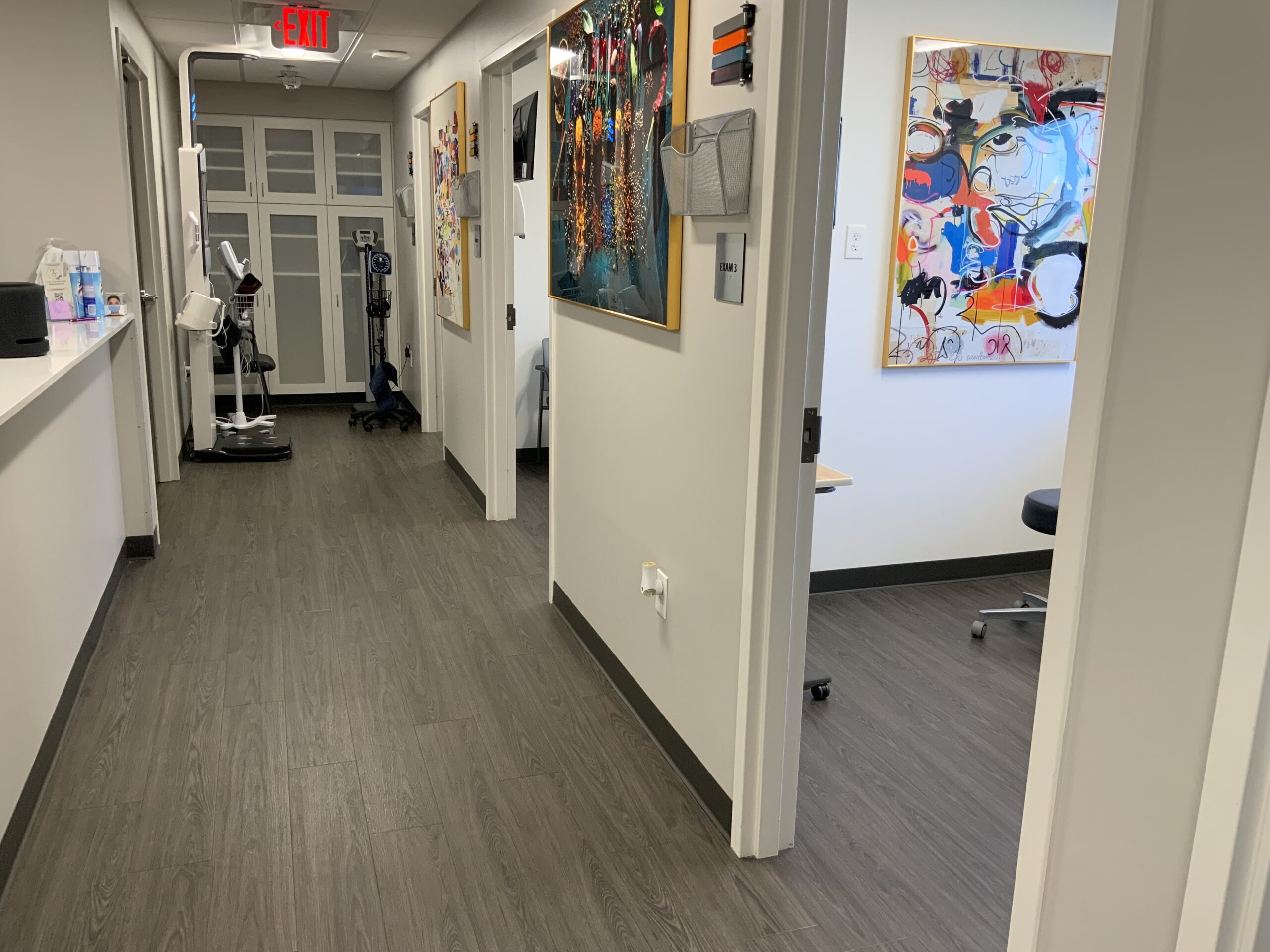
Men’s hormone health is best handled by a physician who evaluates the whole picture — not a pop-up clinic handing out the same protocol to everyone. At Lakewood Primary Care and Wellness, care is led by a board-certified MD with advanced age-management training (A4M fellowship), located on the Texas Health Presbyterian campus in Dallas, with labs and imaging in the same building. That means a real work-up, honest guidance on whether TRT is right for you, and monitoring that keeps treatment safe over the long run.
Frequently Asked Questions
How do I know if I have low testosterone?
A combination of symptoms (fatigue, low libido, muscle loss, brain fog) and confirmed low morning testosterone on bloodwork. Symptoms alone aren’t enough.
Is TRT safe?
For appropriately selected men under physician monitoring, TRT is generally well tolerated. Monitoring red blood cell count, estradiol, and prostate markers is part of doing it safely.
How long until TRT works?
Many men notice changes in energy and mood within weeks, with strength and body-composition changes over several months. It varies by individual.
Does insurance cover TRT?
Coverage depends on your plan and documented diagnosis. Our team can discuss options during your consultation.
Ready to Find Out What’s Going On?
If these symptoms sound familiar, the first step is a proper evaluation. Book a men’s hormone consultation with a board-certified physician in Dallas.
